The Car Handover Checklist: 30 Things to Do Before You Sell or Scrap Your Car in NZ
Most of the problems we see after a car sale have nothing to do with the price. They're the toll bill that arrives three weeks later, the personalised plate that went off to the wrecking yard, the garage door code still saved in the dashboard, or the speeding fine sent to the old owner because nobody told NZTA. This checklist covers everything to do before, during and after the handover, whether you're selling privately, trading in, or having the car towed away for scrap.
✍️ By Leo Raines — Scrap Car Buyer Specialist, Canterbury · Published 1 November 2026 · 12 min read
Quick answer: Before the car goes, sort any personalised plates, find every key, empty the car (glovebox, under seats, spare wheel well), and wipe your data from the infotainment system and any car app. At the handover, get paid in cleared funds before the keys leave your hand and write a simple receipt. Straight afterwards, file the NZTA notice of disposal, remove the plate from toll and parking accounts, and cancel or transfer your insurance. Leave the battery, wheels and fitted parts on the car unless the buyer has agreed otherwise, because taking them off changes the quote.
| Stage | What matters most | Time needed |
|---|---|---|
| A week before | Personalised plates, finance, paperwork, keys | About 30 minutes |
| The day before | Empty the car, remove tags and accessories | 20 – 40 minutes |
| Data wipe | Phones, saved places, garage codes, apps | 10 – 15 minutes |
| Handover | Cleared payment, receipt, keys, photos | 10 – 20 minutes |
| Straight after | Notice of disposal, tolls, insurance, refunds | About 20 minutes |
What this guide covers
- Why a handover checklist saves you money
- A week before: plates, paperwork and keys (items 1 – 7)
- The day before: empty the car (items 8 – 16)
- Wipe your data (items 17 – 21)
- What to leave in the car
- On the day: the handover itself (items 22 – 26)
- Straight after: close every loose end (items 27 – 30)
- Extra checks when the car is being scrapped
- The full printable checklist
- Share or link to this checklist
- Frequently asked questions
Why a handover checklist saves you money
In New Zealand the person on the register is responsible for the car until NZTA is told it has changed hands. That's why a forgotten step can cost you long after the car has gone. A toll road trip, a red light camera or an unpaid parking ticket all go to whoever is recorded as the owner. Personalised plates can be worth hundreds or thousands of dollars on their own. And a modern car stores more personal information than most people realise: your home address, your contacts, your call history and sometimes the code to your garage.
None of this is hard. It's just easy to forget when you're busy, the car isn't running, or the tow truck is already in the driveway. We buy cars every day across Canterbury, and these are the steps we walk sellers through on the spot. Run through the list once and you can hand over the keys and forget about it.
A week before: plates, paperwork and keys
- Deal with personalised plates. If you own personalised plates, they belong to you, not the car. Transfer them to another vehicle or put them on hold through the personalised plates provider before the sale. The car then gets standard plates. Once a car has been sold, and especially once it's been crushed, getting plates back is slow and sometimes impossible. Standard plates stay with the car.
- Check for money owing. If there's finance on the car, it's probably registered on the PPSR and the lender has a claim on it. Get a payout figure from your lender and agree how it'll be cleared. Our guide to selling a car with finance owing explains how this works.
- Make sure you can prove it's yours. You'll need your driver licence (or other photo ID) and your details as they appear on the register. If the car is in someone else's name, such as a late parent or a former partner, read selling a car not in your name before you book anything.
- Find every key and remote. Spare keys, keyless fobs, the valet key and the locking wheel nut key (often hidden in the glovebox or the spare wheel well). A missing key can cut a private sale price noticeably, and some buyers will charge for it.
- Gather the service history. Service books, receipts for big jobs like a cambelt or new tyres, and the owner's manual. They add credibility to a private sale and help a buyer value the car properly.
- Note the rego and RUC status. Check when the licence (rego) expires and, for a diesel, how many road user charge kilometres are left. On a normal sale these stay with the car, so factor them into your price. If the car is being scrapped, see item 30.
- Get an honest quote first. If you're selling to a wrecker or cash for cars buyer, describe the car accurately: whether it runs, any damage, and whether anything's missing. Our guide to getting a quote that doesn't drop on the day lists exactly what to mention.
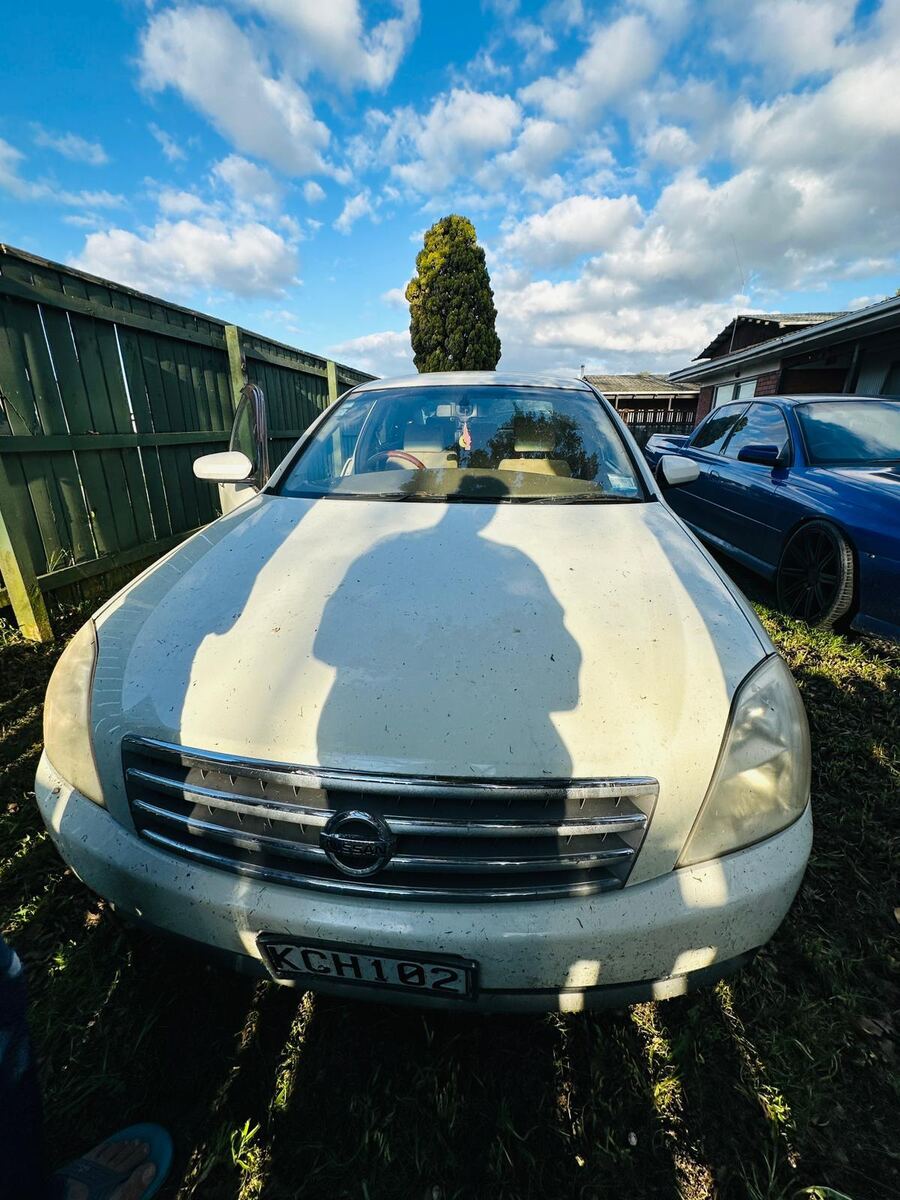
The day before: empty the car
Work through the car in a fixed order so nothing gets missed. Front to back, top to bottom.
- Glovebox and centre console. Documents with your name and address, sunglasses, chargers, coins, spare cards.
- Door pockets, seat-back pockets and sun visors. Parking receipts, fuel cards, kids' books, the odd $20 note.
- Under and between the seats. Slide each seat all the way forward and back. Phones, jewellery and keys turn up here all the time.
- Boot and spare wheel well. Tools, jumper leads, umbrellas, and anything stashed under the floor. Leave the spare wheel and jack, as they're part of the car.
- Toll tags and parking permits. Peel off residents' parking stickers, workplace permits and any electronic tag.
- AT HOP cards and fuel loyalty cards. They're easy to leave in a console tray.
- Dashcam and its memory card. The card can hold weeks of footage showing where you live and work.
- Child seats. They're expensive, and you'll need them in your next car.
- Your own accessories. Phone holders, aftermarket stereos you plan to keep (tell the buyer first), roof racks and towbar bike racks if they weren't included in the price.
Wipe your data
Any car built in the last ten years or so probably remembers your phone, your contacts and where you live. Japanese imports often have a navigation unit with your home set as a saved destination. Here's how to clear it.
- Unpair your phone, both ways. Delete your phone from the car's Bluetooth list and delete the car from your phone. Do it for every phone that has ever been paired, including family members'.
- Clear navigation history and saved places. Home, work, school and recent destinations.
- Delete garage door and gate codes. If the car has a built-in garage door opener, clear the programmed codes. Then think about changing your garage code anyway.
- Factory reset the infotainment system. Most systems have a "reset to factory settings" or "initialise" option in the settings menu. The owner's manual will tell you where.
- Remove the car from connected-car apps. If you use a manufacturer app to lock, locate or pre-heat the car, remove the vehicle from your account. Otherwise you, or the next owner, may still be able to see or control it. Cancel any paid connected services too.
Tip for EV and hybrid owners
Electric cars are often the most connected of all. Remove the car from the manufacturer app, delete saved charging locations, and cancel or transfer any charging network subscriptions tied to the vehicle. Our EV and hybrid selling guide covers how battery health affects the price.
What to leave in the car
Stripping parts before a sale is one of the most common ways people accidentally lose money. A buyer prices the car as described. If it turns up without its battery, wheels or catalytic converter, the quote changes. Unless you've agreed otherwise, leave these in place:
| Leave it | Why |
|---|---|
| Battery | Needed to move and assess the car, and part of its scrap value |
| Wheels and tyres | Without them the car can't be towed normally, and the price drops |
| Catalytic converter and exhaust | A large part of a scrap car's value. See our catalytic converter guide |
| Spare wheel, jack and wheel brace | Expected as part of the vehicle |
| Standard number plates | They belong with the car |
| Rego (licence) label | Stays on the windscreen |
| Fuel | No need to fill it, but don't siphon it either. A wrecker won't pay extra for a full tank |
If you want to keep or sell a part separately, such as a good set of mag wheels, just tell the buyer first so the quote reflects it. That's normal and fine.
On the day: the handover itself
- Check the buyer is who they say they are. For a private sale, see photo ID. For a wrecker or cash for cars company, check they're a real, established business. Our guide on how to verify a cash for cars buyer shows what to look for.
- Get paid in cleared funds before the keys go. Cash, or a bank transfer that shows as received in your own banking app. Screenshots and emailed "payment confirmations" can be faked. A reputable buyer won't mind waiting a minute while you check.
- Write a simple receipt. Date and time, plate number, buyer's name, the price, and a line saying the car is sold as is. Both of you sign, and you each keep a copy (a photo is fine). The exact time matters if a fine turns up later.
- Take photos. The odometer, the car from all four sides, and the car on the tow truck or driving away. Thirty seconds of photos can settle any dispute.
- Hand over every key. Plus the locking wheel nut key and the service book.
Straight after: close every loose end
- File the notice of disposal with NZTA. This is the step that matters most. As the seller you must tell NZTA straight away, and you can do it online in a few minutes. Keep the confirmation. Our step-by-step notice of disposal walkthrough shows each screen. When you sell to us, we complete the paperwork with you on the spot.
- Remove the plate from toll and parking accounts. If you have an NZTA toll account or a parking app linked to the plate, remove the vehicle so you don't pay for the next owner's trips.
- Cancel or transfer your insurance. Do it once the car has actually gone, not before. You may get a refund of unused premium. If you're buying another car, ask your insurer to move the policy across.
- Claim any refunds. If the car is scrapped and its registration cancelled, you may be able to get a refund of unused licence fees, and unused RUC in some cases. See our rego and RUC refund guide. For business vehicles, tell your accountant about the sale, as there can be GST and depreciation to account for.
Extra checks when the car is being scrapped
Selling to a wrecker is usually simpler than a private sale. There's no test drive, no haggling and no strangers coming back with questions. But a few points are specific to scrap cars:
- Personalised plates are urgent. Once a car has been dismantled or crushed, the plates are gone. Transfer them first.
- Check the access. Tell the buyer if the car has flat tyres, no keys, seized wheels, or is in a backyard or basement carpark. A good tow operator can handle almost anything, but they need to bring the right gear. See our hard-to-reach pickup guide.
- Don't remove parts to "sell separately" unless you've agreed it with the buyer. A scrap price usually assumes a complete car.
- Know where it's going. A responsible wrecker drains fluids, recovers parts and recycles the metal. Our guide to what happens to your car at the wreckers explains the process.
- Not sure whether to fix or scrap? Run the numbers with our repair or scrap guide, then check typical prices in the 2026 cash for cars price guide.
The full printable checklist
Print this page or save a screenshot of the list below. Tick each item as you go.
Before
☐ 1. Personalised plates transferred or on hold
☐ 2. Finance owing checked and payout agreed
☐ 3. Photo ID and ownership details ready
☐ 4. All keys, fobs and locking wheel nut key found
☐ 5. Service history and manual gathered
☐ 6. Rego expiry and RUC balance noted
☐ 7. Honest quote obtained
☐ 8. Glovebox and console emptied
☐ 9. Door, seat-back and visor pockets checked
☐ 10. Under and between seats checked
☐ 11. Boot and spare wheel well emptied
☐ 12. Toll tags and parking permits removed
☐ 13. AT HOP and loyalty cards removed
☐ 14. Dashcam and memory card removed
☐ 15. Child seats removed
☐ 16. Own accessories removed (with buyer's OK)
☐ 17. Phones unpaired, both ways
☐ 18. Navigation history and saved places cleared
☐ 19. Garage door and gate codes deleted
☐ 20. Infotainment system factory reset
☐ 21. Car removed from connected-car apps
During
☐ 22. Buyer's identity or business checked
☐ 23. Payment received and cleared
☐ 24. Receipt written, signed and copied
☐ 25. Photos of odometer and car taken
☐ 26. All keys and service book handed over
After
☐ 27. NZTA notice of disposal filed
☐ 28. Plate removed from toll and parking accounts
☐ 29. Insurance cancelled or transferred
☐ 30. Licence, RUC and tax items claimed or noted
Share or link to this checklist
This checklist is free to use. If you run a community group, a neighbourhood page, a budgeting service, a driving school or a local business website, you're welcome to share it or link to it so others can use it. You can copy this link:
Have a suggestion we've missed? Let us know and we'll consider adding it in the next update.
Frequently asked questions
Do I take the number plates off when I sell my car in NZ?
No, not normally. Standard plates belong with the vehicle and stay on it. The exception is personalised plates, which belong to the plate owner. Transfer them to another vehicle or put them on hold before the sale, and the car is issued standard plates.
What should I remove from my car before scrapping it?
All personal belongings, documents with your name or address, toll tags, parking permits, AT HOP cards, dashcams and memory cards, child seats, and anything you've paid for that isn't part of the car. Leave the battery, wheels and fitted parts unless you've agreed otherwise with the buyer, because removing them changes the quote.
How do I delete my phone from my car before I sell it?
Delete the phone from the car's Bluetooth device list, delete the car from your phone's Bluetooth list, clear saved navigation addresses and contacts, and use the infotainment system's factory reset option if it has one. Also remove the vehicle from any manufacturer app linked to your account.
Do I need to tell NZTA when I sell or scrap my car?
Yes. The seller must notify NZTA of the sale straight away, which is called a notice of disposal. You can do it online. Until you do, you can be held responsible for fines, tolls and offences linked to the car.
Should I fill up the tank or fix small faults before selling to a wrecker?
No. A cash for cars buyer or wrecker won't pay extra for fuel, and small repairs rarely add more than they cost. Give the car a quick tidy, be honest about faults, and let the quote reflect the car as it is.
Can I get a refund on my rego and RUC when I sell my car?
On a normal sale, unused licence time stays with the car, so price it into the sale. If the car is being scrapped and its registration is cancelled, you may be able to claim a refund of unused vehicle licence fees. Check NZTA's current rules for your situation.
Is it safe to accept a bank transfer when selling a car?
Only once the money shows as cleared in your own banking app. Screenshots and emailed confirmations can be faked. Cash, or a confirmed instant transfer, before the car leaves is the safe approach.
Selling in Canterbury? We handle most of this for you
When you sell to Cash For Cars Canterbury, we pay before the car is loaded, complete the NZTA paperwork with you on the spot, and tow for free from anywhere between Māngere and Ashburton. Any make, running or not, with or without WoF. See our cash for cars service, free car removal and customer reviews, or call Get a Free Quote.
Related Guides
NZTA Notice of Disposal Explained — A Canterbury Seller's Walkthrough
Read GuideIs Cash For Cars Legit? How to Verify a Canterbury Car Buyer
Read GuideHow to Claim a Rego & RUC Refund After Selling Your Car
Read GuideChecklist Done? Let's Get You Paid
Honest quotes, free same-day collection anywhere in Canterbury, paid before loading and NZTA paperwork done on the spot. Running or not, any make.